

News & Updates
Beyond the Price Tag: Appliance Efficiency and Cost in Rural America
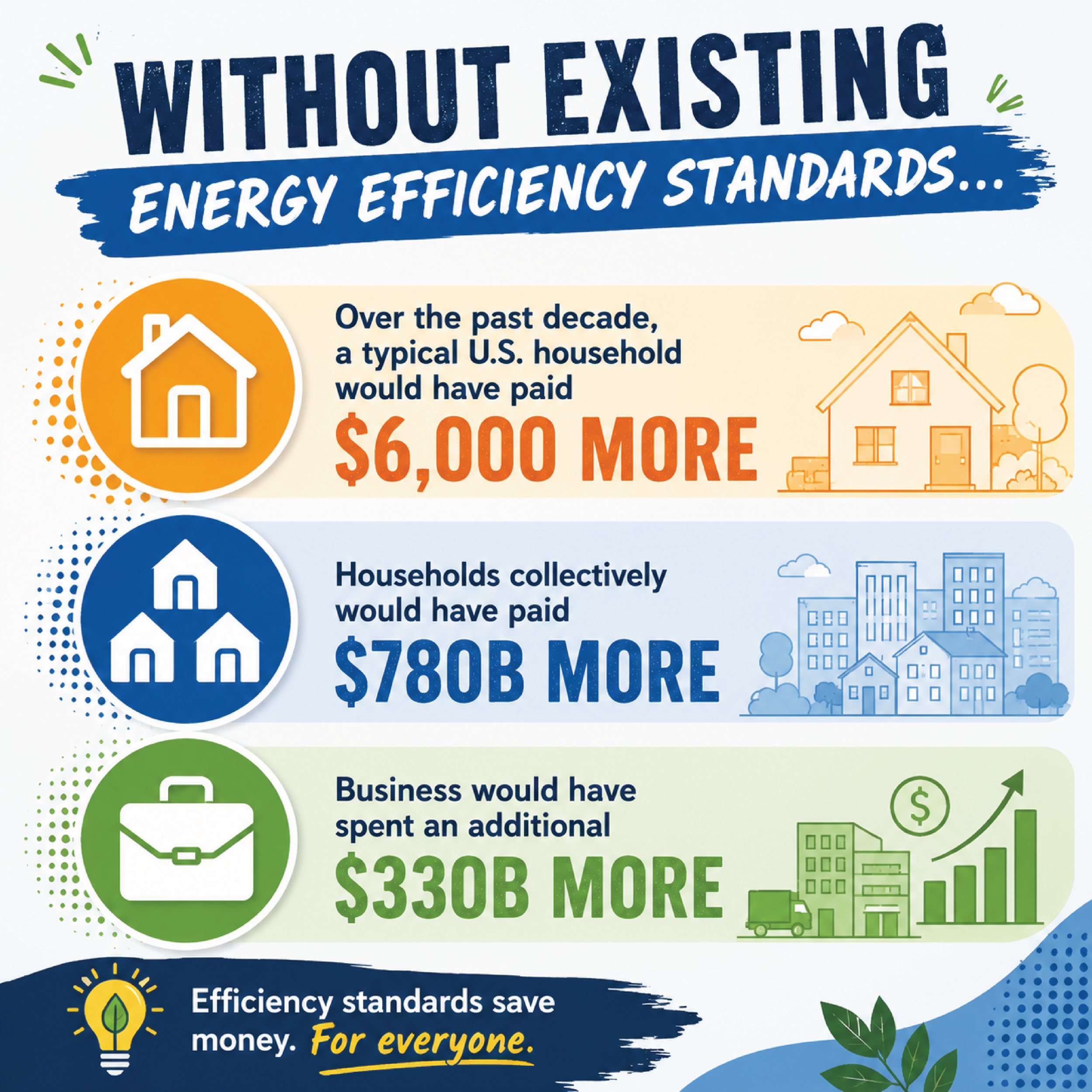
While you might save more at the point of purchase in a big box store if efficiency standards are rolled back, research shows that more efficient appliances are worth the higher price over time. Without existing efficiency standards, a typical U.S. household would have paid about $6,000 more on their utility bills over the past decade. Households collectively would have paid $780 billion more, while businesses would have spent an additional $330 billion.
How the Rural Power Coalition is Addressing Data Centers in Rural Communities
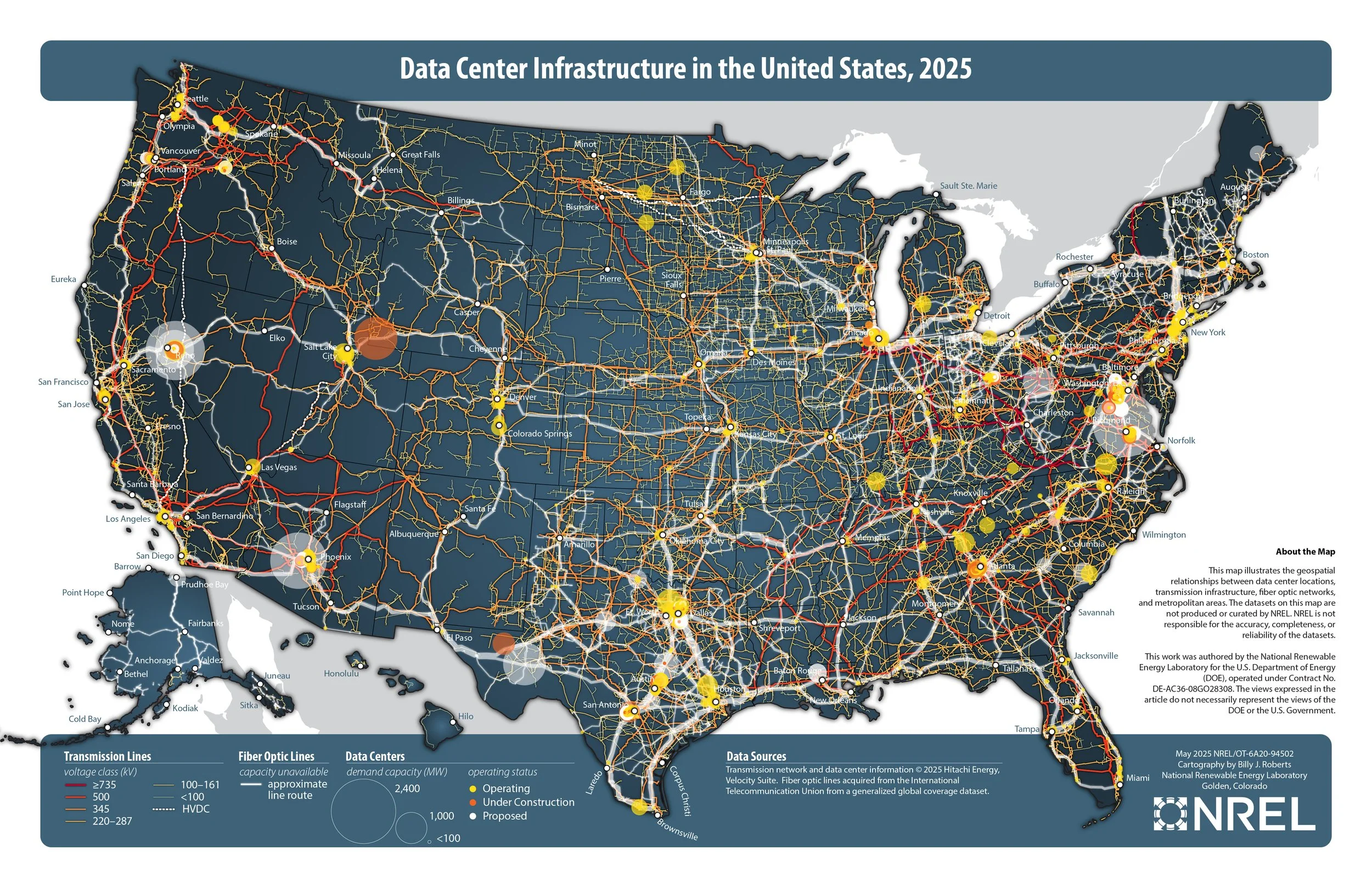
The Rural Power Coalition’s position on data centers is that growth must serve people, not just corporations. Data centers are not inherently bad, but they must be planned responsibly, and rural communities should have a say in how digital infrastructure shapes their future. This should include a commitment to benefit local communities by building local clean energy systems to lower utility bills.
Senate Farm Bill Maintains Important Rural Energy Opportunities
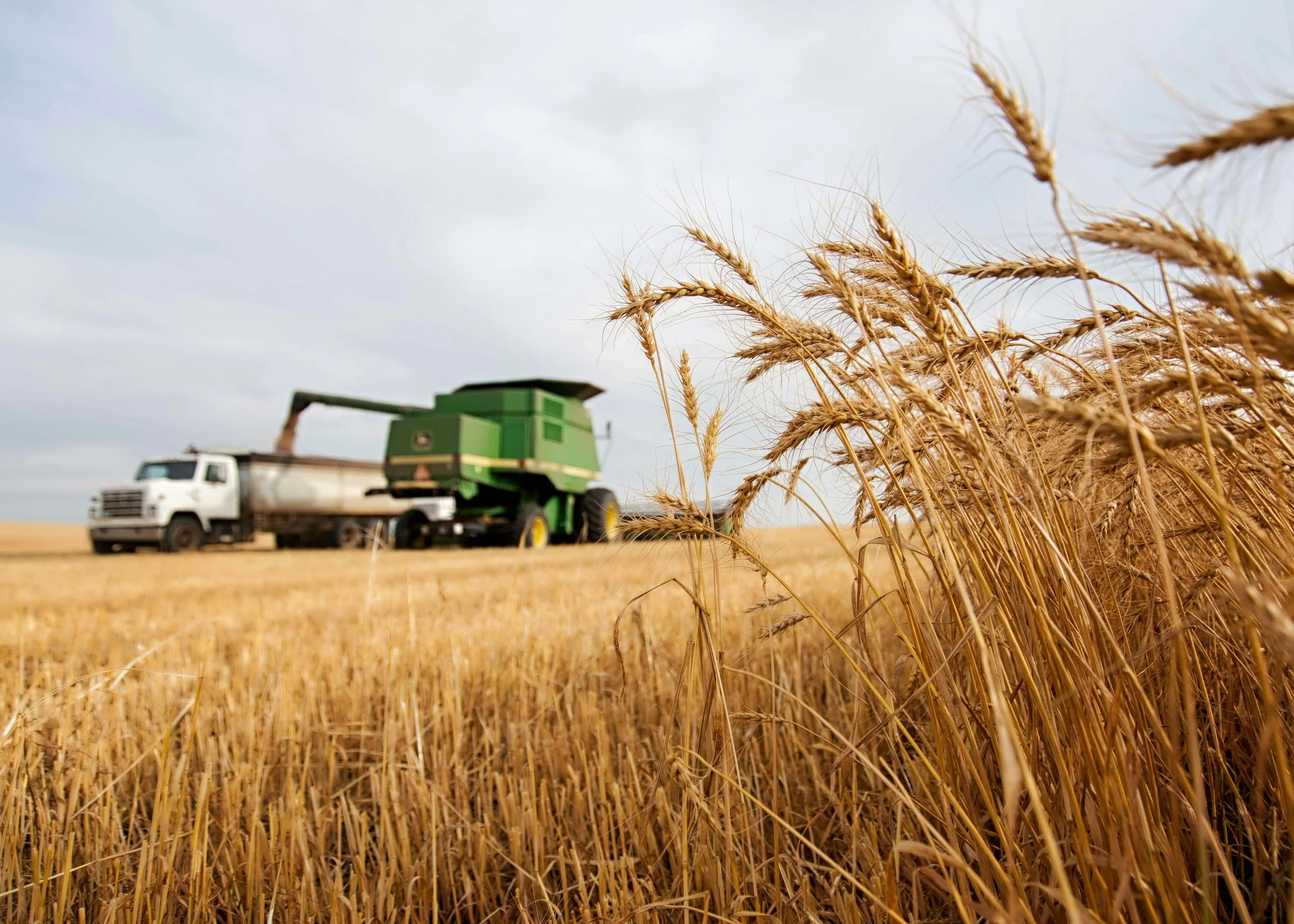
For rural communities, the Farm Bill plays a vital role in determining access to resources that help farmers, small businesses, and rural electric cooperatives. As Congress continues negotiations on the next Farm Bill, the Rural Power Coalition (RPC) is committed to advocating for programs that support investments in affordable rural energy.
90 years in, $900 million to go
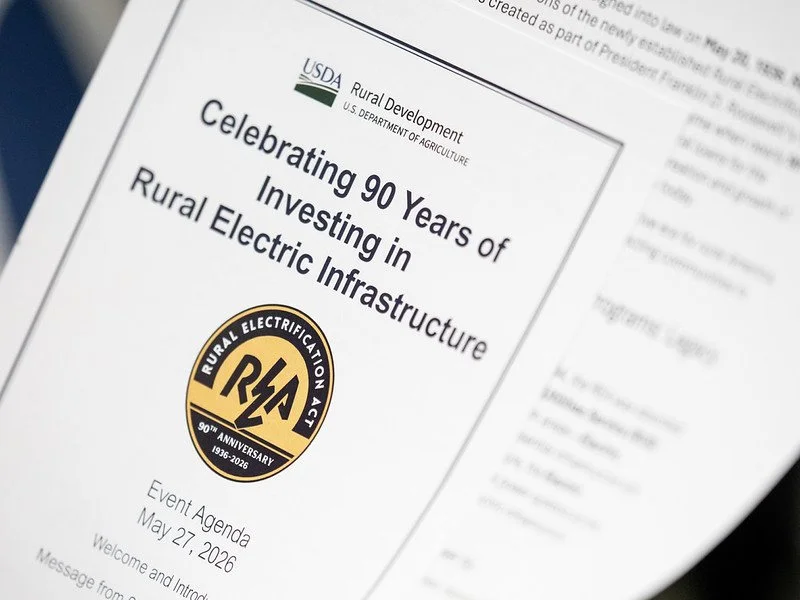
Ninety years ago, a profound transformation of rural America began—one that led to the creation of nearly 900 energy democracies. Today, these democracies are called rural electric cooperatives and electric membership corporations. The Rural Electrification Administration, now known as the Rural Utility Service (RUS), was one of the most successful federal agencies in our nation’s history, bringing power to millions of rural residents.

Protect REAP, a federal program rural Kentucky can’t afford to lose
RPC member Mountain Association a new op-ed in Carter County Times. Mountain Association has secured over 60 grants for businesses and farms in Eastern Kentucky, under the federal REAP program.
REAP grants "can cover up to 25 percent of the cost of solar more efficient HVAC system, LED lighting, or better insulation" which have kept farmers, ranchers, and small businesses competitive. The Trump Administration has unofficially frozen this important program—one that has enjoyed bipartisan support—but it must be protected.
The Edge: Do you have a voice in how your utility is run?
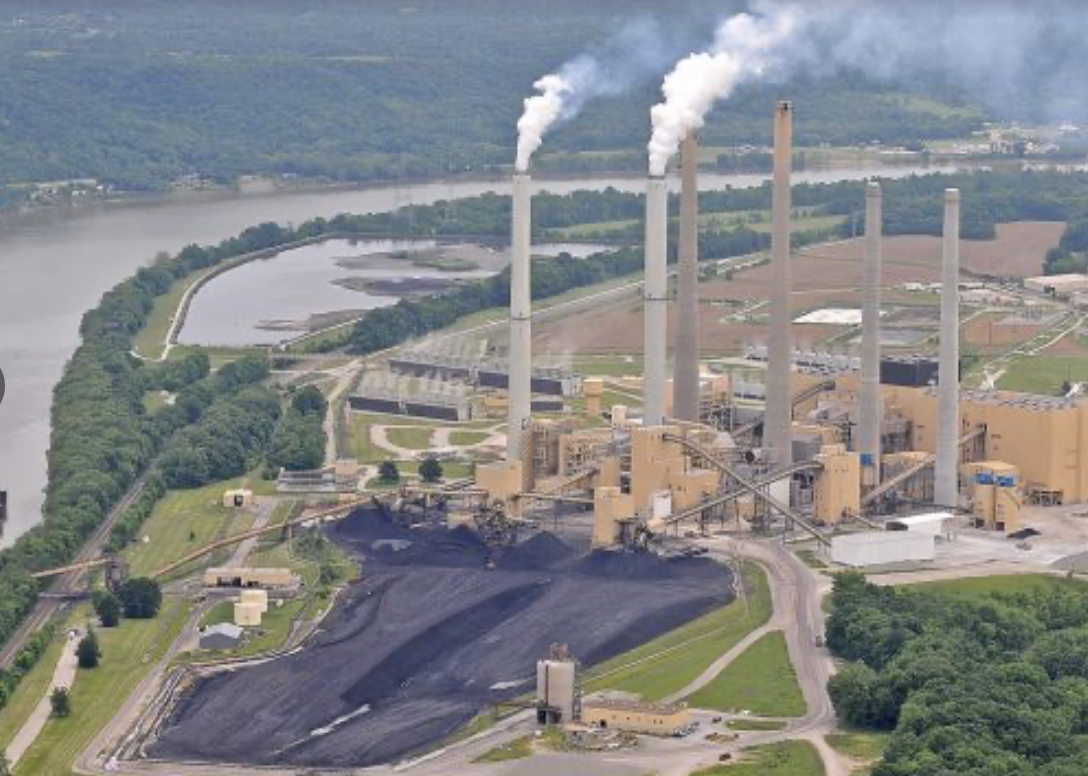
"I tell you that the whole state is at a crossroads, and every new generation investment is a 40 year commitment," Woolery said. He added that member-owners need to be more involved in their respective co-ops, "telling the decision makers that we can meet all our needs, both the need for extra power for data centers, as well as our needs at home, by investing in low risk technologies for energy efficiency, conservation, and load control. That way our bills will be lower, and then, even if the data centers don't come, in the worst case scenario, we will have made the right investments that lowered our bills."

Local Energy Rules Podcast: 42 Million People Can Use this Toolkit to Lower Electric Bills
Are you one of 42 million Americans that isn’t just a utility customer, but also a member-owner of your utility? Are you one of the 23 million or more of that group that doesn’t realize it?
For this episode of the Local Energy Rules Podcast, host John Farrell is joined by three organizers from the Rural Power Coalition: Chris Woolery, Energy Projects Coordinator with Mountain Association; Aaron Fernando, Co-op Organizer with Shareable; and Kyle Crider, Policy Director at The People’s Justice Council.

2025: RPC’s Year in Review
2025 was a tumultuous year for the United States and for those folks working in energy and renewables. Despite political unpredictability, unexplained funding freezes, slashes to key tax credits, announced reorganizations, abrupt policy shifts, and a federal governing style that only sometimes seems intentionally chaotic, the Rural Power Coalition spent the year putting in the legwork to ensure we are well prepared for what’s to come
Introducing the Wisconsin Farmers Union to the Rural Power Coalition
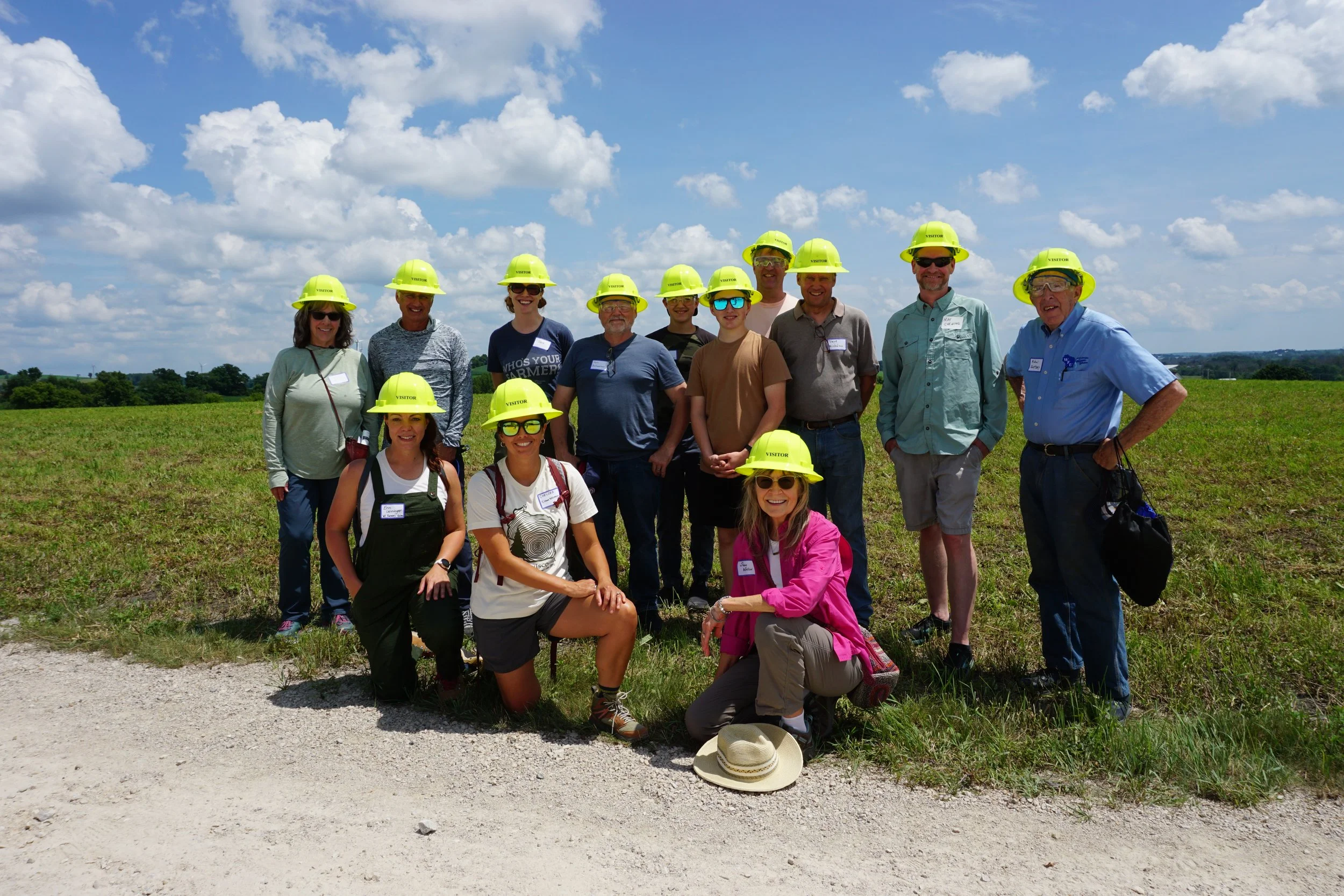
In a time when we’re seeing big changes in the political, energy generation, and energy demand landscapes all at the same time, Wisconsin Farmers Union will continue to work to listen to our members at the farm-level and carry their priorities of local protection, resilient generation, and community investment forward.

Working towards energy affordability in rural America
The idea here is to have community members, not specialists, to drive the efforts to work toward energy affordability, reliability, and sustainability in rural areas.
Where RPC Goes From Here
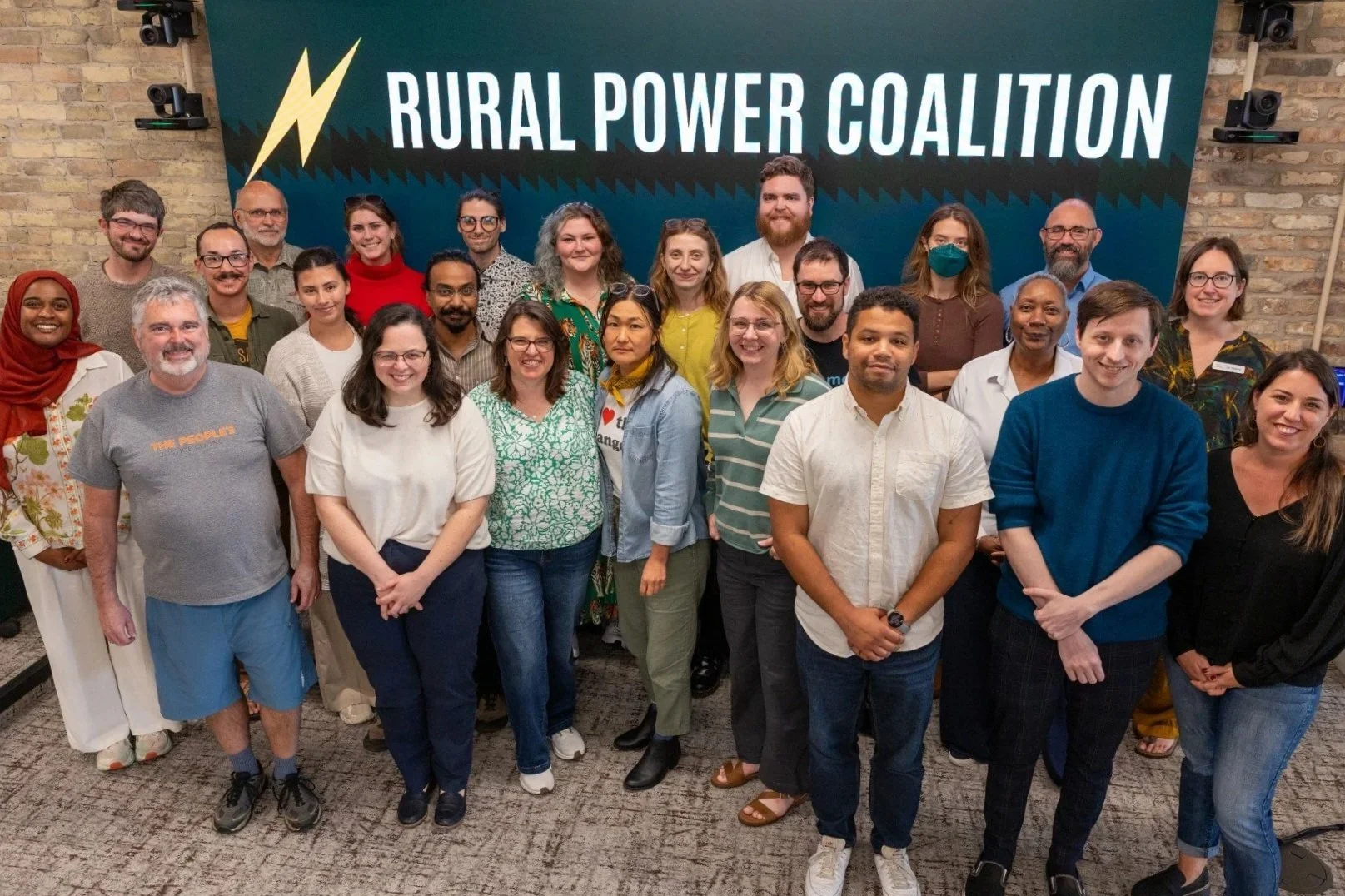
It has become apparent that the injection of AI data centers into communities will continue to be an ongoing issue for much of Rural America, and one that threatens energy affordability and reliability.
Then, as energy developments are planned, sited, and built out due to increased energy demands, there is a clear need to empower communities to secure community benefits plans that ensure local needs are met as developments get underway.
RPC to USDA: Reverse Your Reorganization Plans
The USDA announced that it would be reorganizing the entire agency, back in July.… the USDA is facing a mass exodus of experienced personnel, with over 15,000 employees already accepting offers to resign. The damage that has already occurred is irreversible, but Secretary of Agriculture Brooke Rollins can still take action to protect her agency from being dismantled which would have detrimental effects on countless farmers and rural communities

WATCH: How North Dakota Native Vote Mobilizes Co-op Member-Owners
Even though these co-ops are democratic on paper, in reality, they often leave a lot to be desired. “A lot of our community members that we surveyed did not know that they could vote for the governing board,” says Donaghy. “We believe it is by design, by the [rural electric cooperative] so they can maintain levels of power.”

2024 Year in Review
2024 was yet another monumental year in the fight for the future of Rural Electric Cooperatives (RECs). The Rural Power Coalition’s steadfast advocacy for electric co-ops and rural communities bore fruit, as $9 billion in federal REC investments from the New ERA program have been ‘obligated’! According to the USDA, 45 million rural citizens, 35,000 family farms, and 430 co-ops are expected to benefit from the New ERA program, while supporting 25,000 jobs!

An Introduction to Agrivoltaics
The term “agrivoltaics” refers to the integration of agriculture and solar energy production, where ground-mounted solar panels are co-located with compatible agricultural practices. Agrivoltaic systems commonly involve keeping livestock pastured alongside solar arrays or even growing vegetable or fruit crops underneath them. Agrivoltaics also include solar sites that incorporate pollinator habitats throughout the array.

RPC Celebrates $29 Billion in Clean Energy Investments in Wind, Solar, and Energy Storage for Rural Communities
Today, we’re excited to share that the first round of New ERA projects with a total investment of $29 billion has been announced with $7.3 billion in federal support. These investments in 16 cooperatives, benefitting roughly 20% of rural residents across 23 states, promise to revolutionize rural America's energy landscape with 10,000 MW of clean power, including investments in wind, solar, and battery storage.

New Carbon Emissions Standards Protect Rural Americans
This spring, the US Environmental Protection Agency (“EPA”) announced two final rules to regulate the greenhouse gas emissions of coal-, oil-, and gas-fired power plants in the US.
Rural Power Coalition Urges Congress: Boost Clean Energy Programs in the Farm Bill
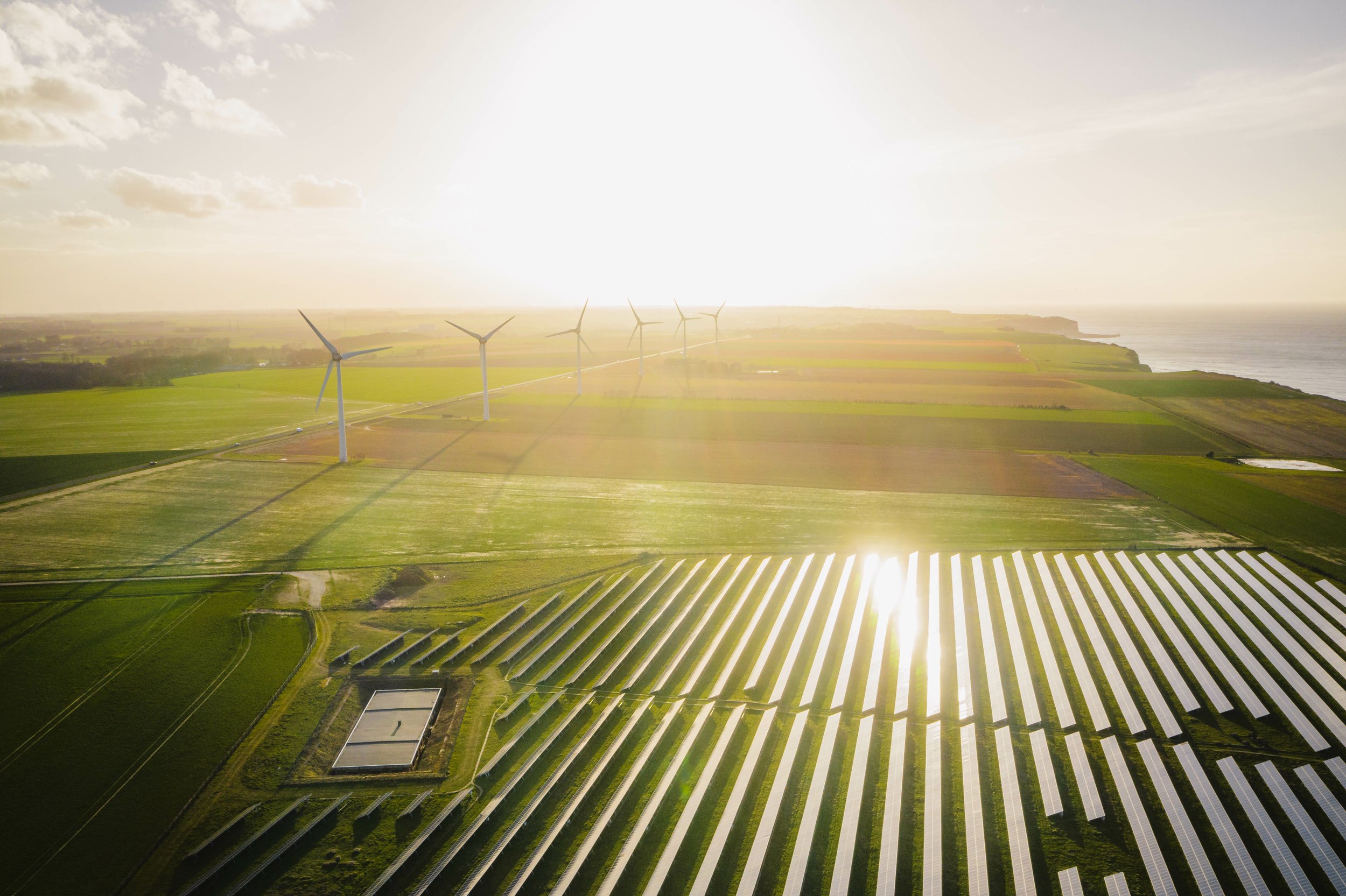
The continuation of the funding levels in the Farm Bill for New ERA, PACE, and REAP, as well as the extension of the RESP deadline, are essential to rebuilding our rural electric infrastructure.

What Are Inclusive Utility Investments? (An RPC Explainer)
In an inclusive utility investment program, a utility provides capital to pay for energy efficiency upgrades at a member-owner’s home, farm, or business and recovers its costs through a charge on the customer’s utility bill.