

News & Updates
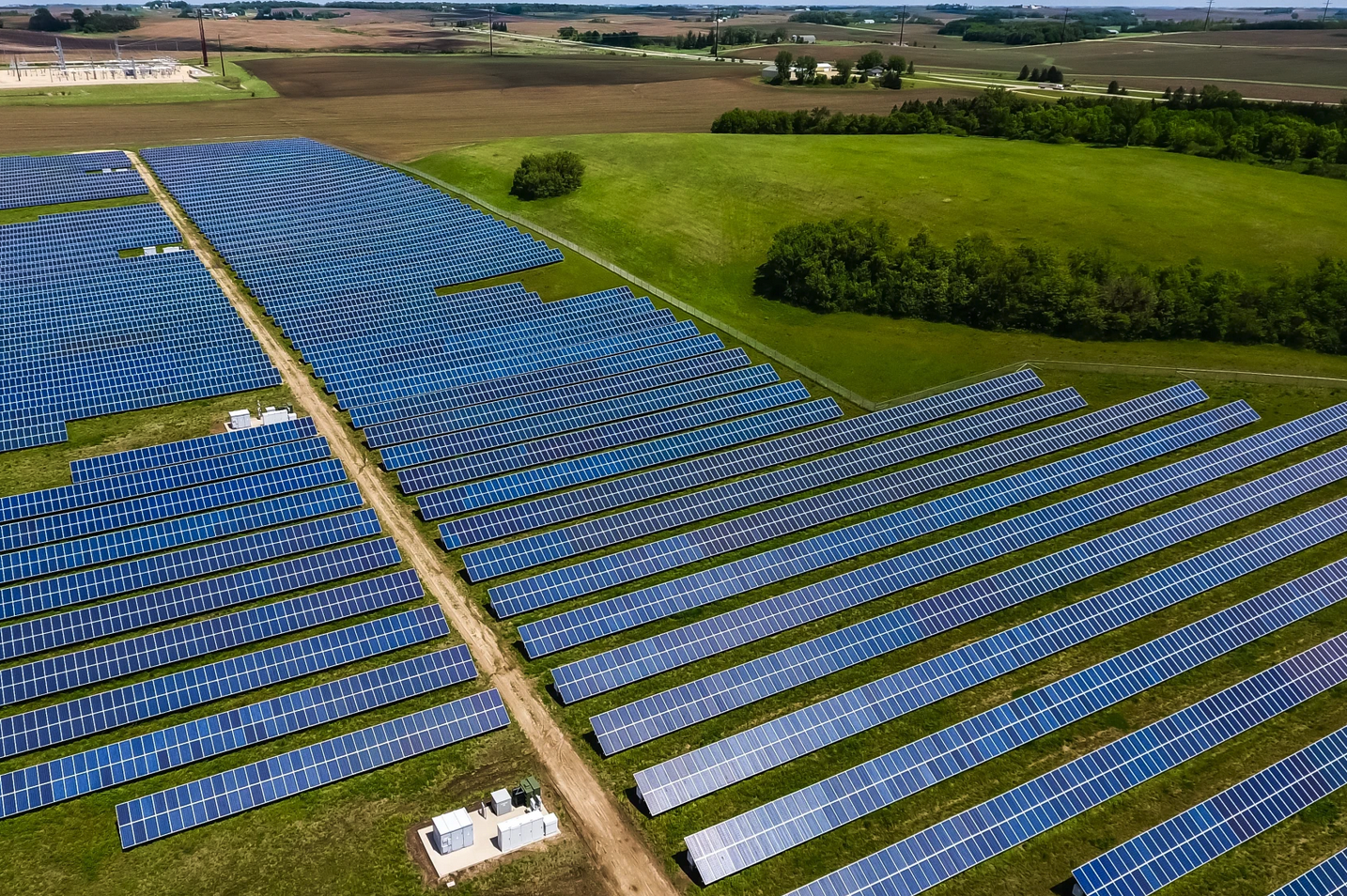
For southeast Minnesota's rural electric co-ops, Inflation Reduction Act funding will level the playing field
When President Joe Biden signed the Inflation Reduction Act last week, he authorized two measures that will affect the country's rural electric cooperatives: $9.7 billion in grants for renewable energy projects and direct pay credits for those projects.
Leaders from southeast Minnesota's co-ops say that funding will have a significant impact.
"Many co-op leaders have been very interested in moving this way," Erik Hatlestad, energy democracy program director at Montevideo, Minnesota-based CURE – Clean Up the River Environment. "And we think we've given them the tools to do so now."

Rural Power Coalition Applauds the Historic Investment in Rural America Included in the Inflation Reduction Act of 2022
More than $10 billion to support Rural Electric Cooperatives!

Electric co-ops are well situated to lead the green energy transition, report finds
A new report by the Democracy Collaborative has found that community utilities are better suited for a green transition than their for-profit corporate counterparts.
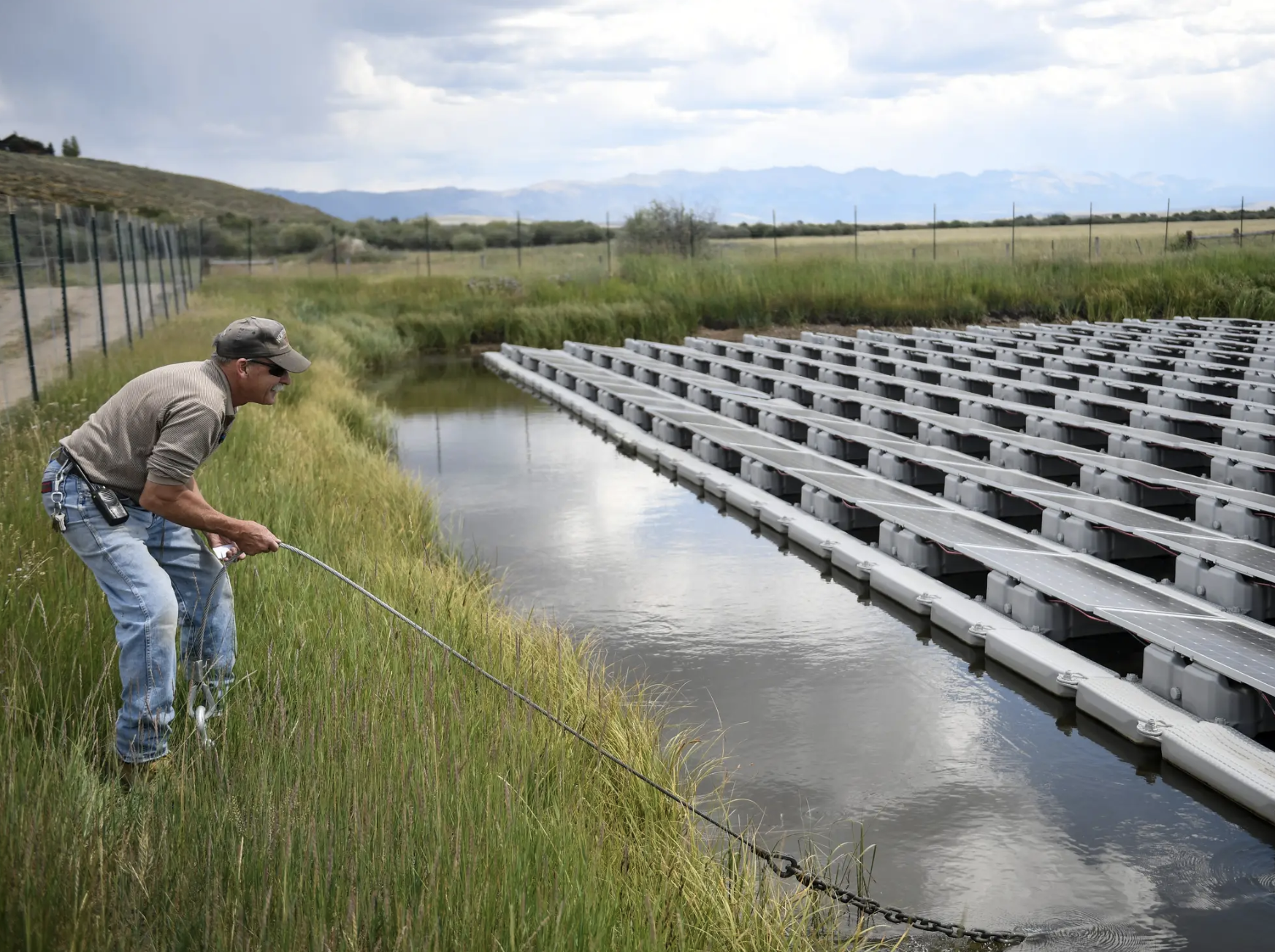
Insider: To reconnect with rural voters, Democrats must invest in local renewable energy projects
Rural co-ops once revolutionized American energy, bringing electricity to the communities too small or isolated for the big utilities to bother with. Decades since that effort, they've become saddled with the most expensive coal-fired power plants in the country, costing families an extra billion dollars a year while imposing enormous health costs from the pollution.

The RPC White House Environmental Justice Advisory Council (WHEJAC) Public Comment
The Rural Power Coalition submitted an official statement to WHEJAC on February 3rd, 2022

Rural electric cooperatives at historic clean energy crossroads
Please join us in supporting this campaign by using our comprehensive toolkit to record a video of your own to support Rural Electric Coops

Rural Power Coalition asks Congress for clean energy in Rural America
To influence policymakers to invest in a more efficient and sustainable grid, the Rural Power Coalition sent a letter to Congress urging them to enact a list of 7 policies to support rural electric cooperatives across the US.
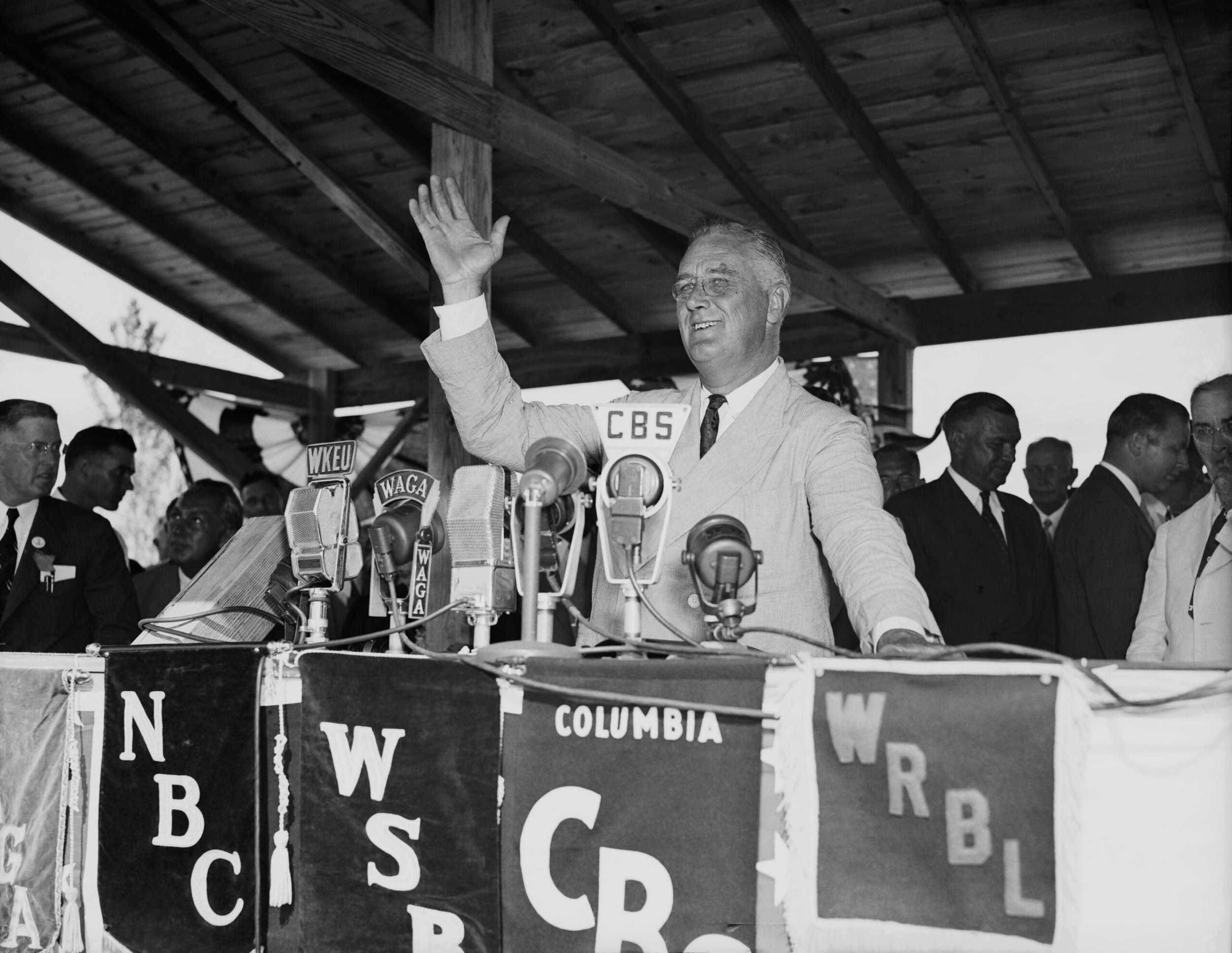
Inside Climate News: A Legacy of the New Deal, Electric Cooperatives Struggle to Democratize and Make a Green Transition
A coalition is growing around the idea for the federal government to offer forgivable loans for cooperatives to pay off all or some of their debt, which Hatlestad estimates to be near $100 billion if the cooperatives shed their investments in coal and other fossil fuels, and to help pay for an equitable economic transition in fossil fuel communities.

Timeline: History of Rural Electricity Cooperatives in the US
Explore the timeline below to view key moments in the history of rural electric cooperatives in the U.S., and learn how co-ops are now paving the way for a renewable future in the country.